Deep cleaning in a caregiving environment requires practical techniques that protect safety, reduce infection risk, and respect the client’s space. This guide focuses on specific, repeatable actions caregivers can use during care visits.
Preparation techniques before cleaning
- Put on disposable gloves before touching any cleaning tools or surfaces
- Open one or two windows for 5 to 10 minutes to improve ventilation
- Gather all supplies in a portable caddy to avoid repeated bending and lifting
- Confirm the client is seated safely in another room before starting
- Check floors for cords, throw rugs, or clutter and remove them temporarily
Top to bottom cleaning technique
- Use a microfiber duster to wipe ceiling fans and vents first
- Wipe door frames, light switches, and door handles using a disinfectant wipe
- Clean horizontal surfaces before vertical ones to prevent debris transfer
- Finish each room by vacuuming or mopping the floor
Kitchen deep cleaning techniques
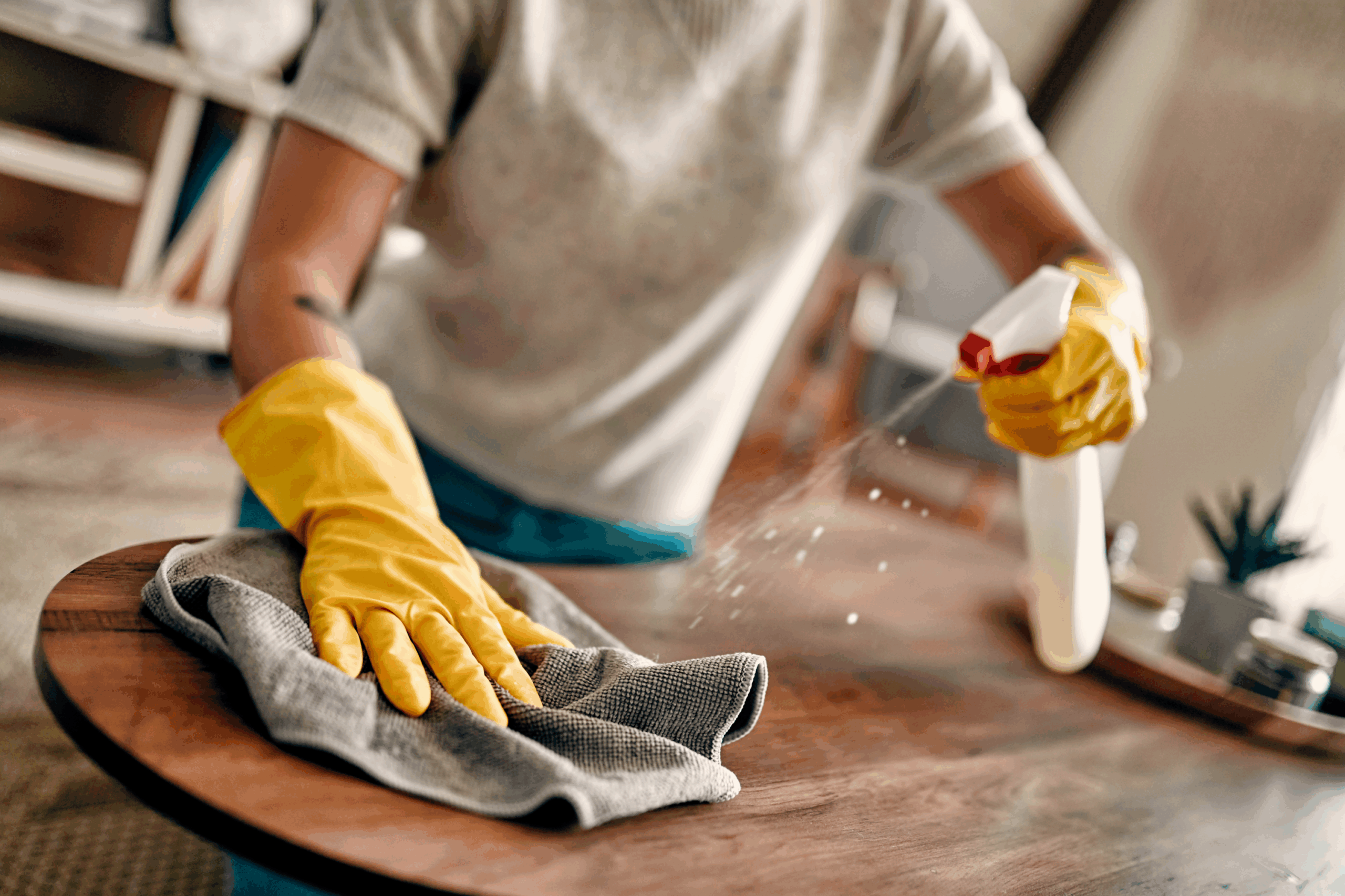
- Spray countertops with disinfectant and allow it to sit for the recommended dwell time
- Remove refrigerator shelves and wash them in warm, soapy water
- Wipe appliance handles and buttons individually, including microwave keypads
- Use a separate cloth for sink cleaning to avoid cross contamination
- Mop floors using slow, overlapping strokes to avoid slipping
Bathroom deep cleaning techniques
- Apply toilet bowl cleaner under the rim and let it sit before scrubbing
- Use a grout brush to scrub tile lines in small sections
- Wipe grab bars and rails using disinfectant, then dry them immediately
- Wash bath mats in hot water and replace with non slip mats
- Dry floors completely before allowing client access
Bedroom and living area techniques
- Strip bedding and place directly into laundry bags to reduce dust spread
- Vacuum mattresses using upholstery attachments
- Wipe remote controls and phones with alcohol based wipes
- Clean under beds and chairs using extension tools to avoid bending
- Return personal items to the same location after cleaning
Odor and air quality improvement techniques
- Empty trash and replace liners before vacuuming
- Vacuum carpets slowly in two directions for deeper debris removal
- Replace or clean air filters if permitted by the household
- Use baking soda in trash cans or refrigerators instead of scented sprays
Time management techniques for caregivers
- Clean one room per visit rather than the entire home at once
- Set a 20 to 30 minute limit per room to avoid fatigue
- Rotate deep cleaning tasks weekly to cover all areas over time
Techniques to avoid caregiver injury
- Bend at the knees when reaching low surfaces
- Use long handled tools for floors and tubs
- Never lift furniture without assistance or approval
- Stop cleaning immediately if dizziness or pain occurs
Documentation techniques
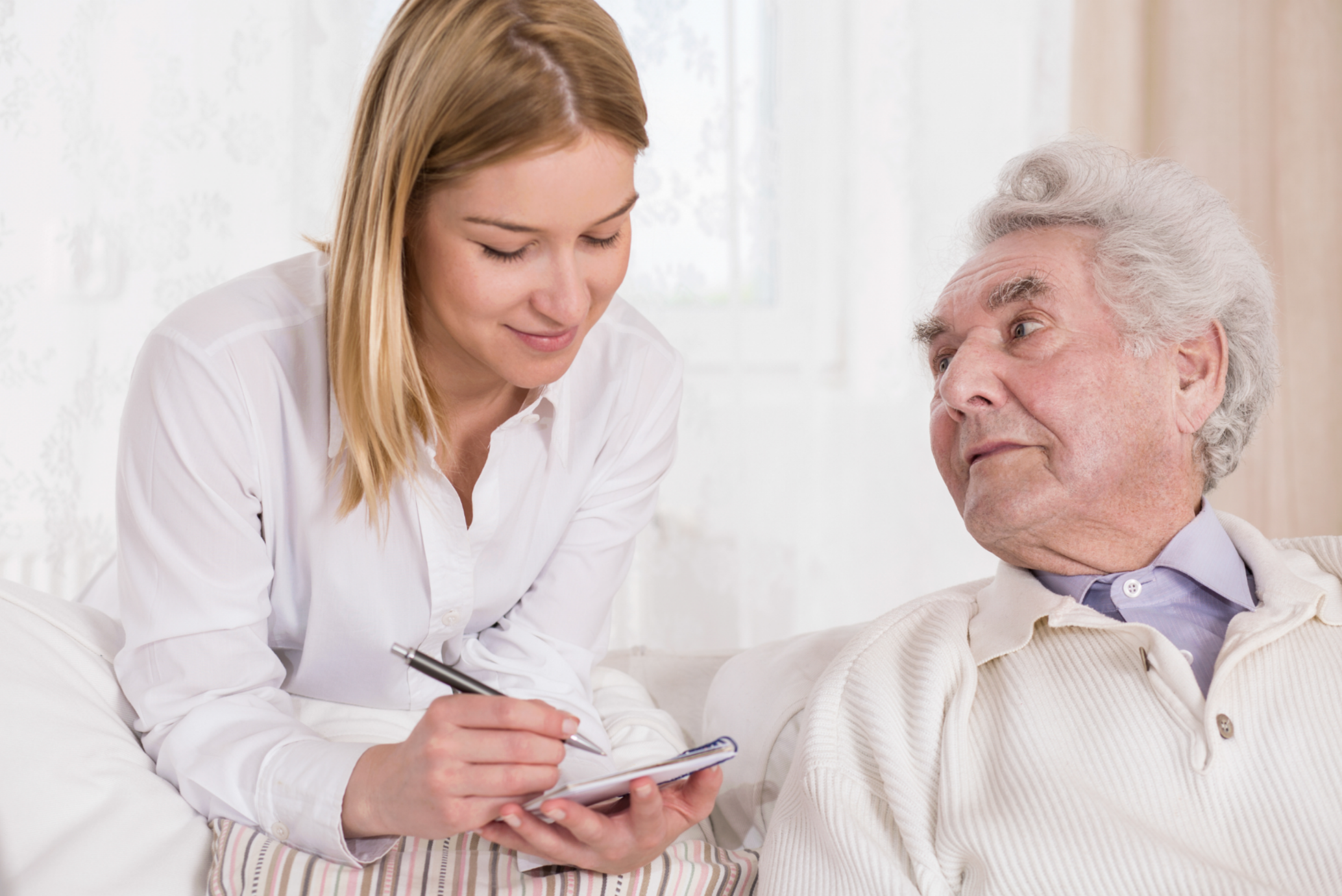
- Record specific tasks completed such as “disinfected grab bars”
- Note hazards found such as loose rugs or poor lighting
- Report maintenance needs to supervisors or family promptly