
Choosing between hourly and live-in caregivers depends on your loved one’s needs, routines, and requirements. Hourly care is often best for those who need assistance for a few hours each day or at specific times, while live-in care provides continuous, round-the-clock support from a dedicated caregiver who resides in the home.
Safety & Supervision
- Has my loved one experienced falls or near-falls recently?
- Do they wander, become disoriented, or leave the home unsafely (especially at night)?
- Can they safely use the bathroom or move from bed to chair without assistance?
- Would they be in danger if left alone for several hours?
If you answer “yes” to any of these, round-the-clock presence may be needed.
Daily Activities
- Can they bathe, dress, and groom without help?
- Are they remembering to take medications as prescribed?
- Are they able to prepare and eat meals consistently?
- Is personal hygiene noticeably declining?
Struggles in these areas can indicate the need for continuous personal care.
Medical & Cognitive Needs
- Do they have a chronic condition requiring regular monitoring (e.g., diabetes, heart failure)?
- Have they been diagnosed with dementia or another cognitive impairment?
- Do they require assistance with medical devices (oxygen, feeding tubes, mobility aids)?
Ongoing medical or memory care needs often benefit from Live-In Care stability.
Social & Emotional Well-Being
- Are they socially isolated or showing signs of depression?
- Do they seem anxious when left alone?
- Do they call frequently for help with small tasks?
Emotional reassurance is just as important as physical help.
Family & Caregiver Limits
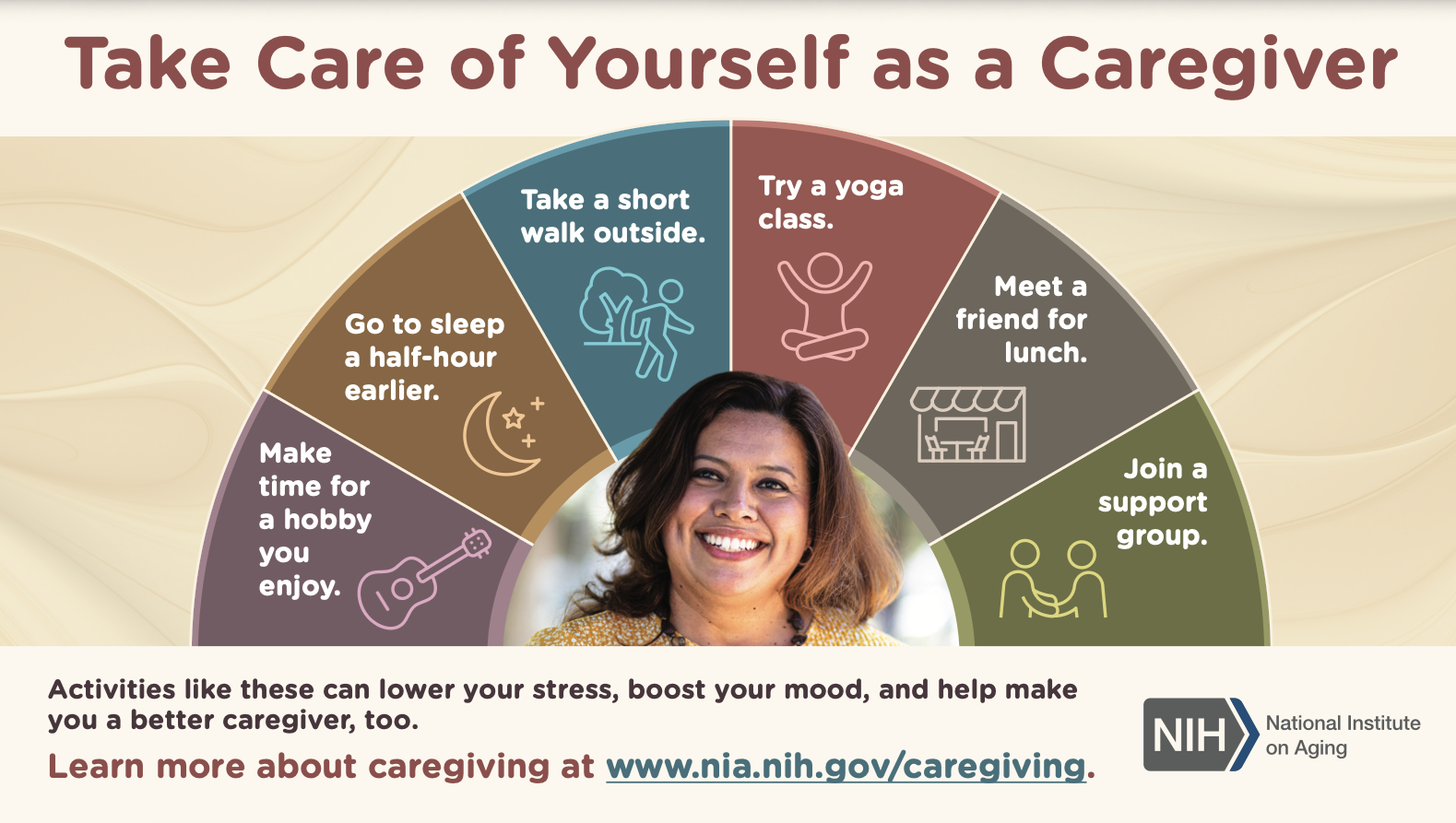
- Are family members or current caregivers exhausted or unable to cover all hours?
- Has caregiving begun to affect your health, job, or relationships?
- Do you feel anxious about leaving them alone even for short periods?
Caregiver burnout is one of the most common reasons families transition to Live-In Care.
How to Know If It’s Time
You likely need Live-In Care if:
- Your loved one is unsafe alone at night or during the day.
- They require help with most daily activities.
- Medical or cognitive issues demand constant supervision.
- Family or hourly caregivers can no longer cover the hours without strain.
If you’re unsure, we offer free in-home assessments. A care coordinator will travel to you for an in-home visit, evaluate needs, and recommend whether Live-In Care or hourly care is better suited for your situation.