Key Takeaways
- Low vitamin D may contribute to falls, fractures, fatigue, and muscle weakness in older adults.
- Risk increases with limited sunlight, mobility challenges, and certain health conditions or medications.
- A simple blood test can measure vitamin D levels, and a clinician can recommend safe next steps.
- Caregivers can support healthy routines like balanced meals, safe mobility, and appropriate outdoor time.
What Is Vitamin D and Why Does It Matter?
Vitamin D helps the body absorb calcium and supports bone strength and muscle function. It also plays an important
role in immune regulation, cardiovascular health, and mood stability.
Unlike many vitamins, vitamin D can be produced by the body when skin is exposed to sunlight. However, aging skin
becomes less efficient at producing vitamin D, which can increase deficiency risk over time.
Why Older Adults Are at Higher Risk
Low vitamin D levels are especially common among seniors due to age-related lifestyle and health factors, including:
- Spending less time outdoors
- Reduced skin efficiency for vitamin D production
- Lower dietary intake
- Certain medications that may interfere with absorption or metabolism
- Kidney or liver conditions that affect vitamin D processing
Older adults who receive in-home care may be at higher risk because mobility limitations or medical needs can reduce time outside and make consistent nutrition harder to maintain.
Common Symptoms of Low Vitamin D
Vitamin D deficiency can be hard to recognize because symptoms often develop gradually. Some people have no obvious symptoms until levels are significantly low.
Possible signs include:
- Muscle weakness or reduced strength
- Frequent falls or worsening balance
- Bone pain or tenderness
- Fatigue or low energy
- Mood changes, including depressive symptoms
- More frequent infections or slower recovery
Caregivers are often the first to notice subtle changes, such as slower walking, difficulty standing, or increased unsteadiness.
Health Conditions Linked to Vitamin D Deficiency
Bone and muscle health
Low vitamin D can contribute to osteoporosis, osteopenia, and higher fracture risk. When muscle weakness and brittle bones occur together, the risk of fall-related injuries increases.
Immune system function
Insufficient vitamin D has been associated with impaired immune response. Some research suggests supplementation may reduce the risk of certain respiratory infections for people who are deficient.
Cardiovascular health
Some studies have found associations between low vitamin D levels and hypertension or cardiovascular disease, but scientists continue to study whether vitamin D plays a direct causal role.
Cognitive and emotional health
Research has linked low vitamin D levels with depressive symptoms and cognitive decline in older adults. However, vitamin D deficiency is not considered a single, direct cause of these conditions.
How Vitamin D Deficiency Is Diagnosed
Vitamin D status is measured through a blood test ordered by a healthcare provider, commonly reported as serum 25-hydroxyvitamin D. A clinician can interpret results in the context of overall health and recommend next steps.
Supporting Healthy Vitamin D Levels at Home
Encourage safe sunlight exposure (when appropriate)
For many older adults, short periods outdoors can help support vitamin D production. Safety comes first, so sun exposure should be discussed with the care team when there are skin cancer risks, medications that increase sun sensitivity, or complex medical conditions.
Promote vitamin D-rich foods
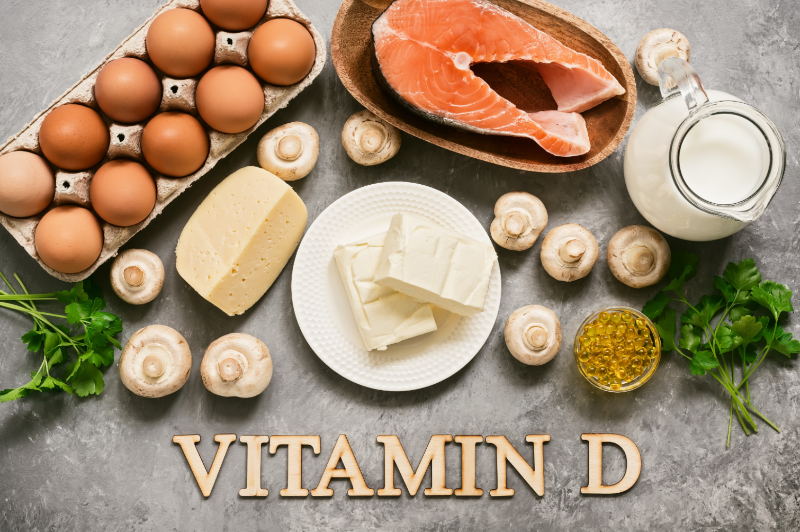
Vitamin D can come from foods like fatty fish, fortified dairy or non-dairy alternatives, eggs, and fortified cereals. Consistent meal planning can help, especially when appetite is reduced.
Follow medical guidance on supplements
Supplements can be helpful, but older adults should take vitamin D only under medical supervision, particularly when managing multiple medications or kidney issues.
Reduce fall risk with safe mobility support
Muscle weakness can increase fall risk. A caregiver can support safe routines, strength-friendly activity, and a home environment that reduces hazards.
When to Seek Medical Advice
If a loved one experiences frequent falls, unexplained fatigue, bone pain, or noticeable weakness, consider asking a healthcare provider about vitamin D testing. Early identification and proper treatment can help reduce complications and improve quality of life.
Trusted Medical Sources
The following independent references support or expand on the information above. Some confirm current understanding, and others highlight areas where research is still evolving.
-
National Institutes of Health Office of Dietary Supplements: Vitamin D Fact Sheet for Health Professionals
-
Harvard T.H. Chan School of Public Health: Vitamin D and Health
-
Mayo Clinic: Vitamin D Deficiency: Symptoms and Causes